Waterproofing and moisture management is one of NSW builders’ most critical technical CPD topics. Water ingress is the single largest source of residential building defects in Australia — accounting for 75–80% of all defect claims. Learn the systems, details, and compliance requirements to prevent leaks.
Complete Your 12 CPD Points Online — From $169
No classroom. No fixed schedule. Instant certificate on completion.
Start Your CPD Today
Water ingress is the most common defect claim in NSW residential building. This guide covers exactly what NSW builders need to know about waterproofing and moisture management — from material selection to critical installation details that prevent leaks. Waterproofing CPD is part of the Technical learning area and is one of the highest-value courses NSW builders can complete.
This comprehensive CPD guide covers the Building Code of Australia (BCA) waterproofing requirements, the materials and systems that work, the installation details that matter most, and how to manage moisture risk on site. Whether you are building in Sydney, Newcastle, Melbourne, Brisbane, or anywhere in NSW, the same principles apply — and the same details prevent defects across every region.
What is Waterproofing CPD for NSW Builders?
Waterproofing CPD is a practical course covering the materials, methods, and critical construction details required to keep water out of residential buildings. It focuses on the Building Code of Australia (BCA) waterproofing requirements, moisture barriers, sealants, flashings, and the sequencing needed to protect walls, roofs, and foundations from water ingress.
NSW builders face significant exposure to weather — rain, coastal salt spray, ground moisture, and condensation — and defects related to water are by far the most costly. Waterproofing CPD teaches the system thinking required to prevent these defects before they happen, not after they destroy a building.
Why Waterproofing Matters — The Business Case for Your Licence
Defect prevention cost: Water ingress accounts for 75–80% of residential building defect claims. One waterproofing failure on a single house can cost $50,000–$500,000 to remediate. Most builders face at least one water-related callback in their first 5 years — understanding waterproofing prevents this from happening repeatedly.
Insurance and licence protection: Defect claims directly affect your Builder’s Warranty Insurance and Fair Trading record. Multiple water-related claims can trigger licence investigation, suspension, or renewal refusal. Builders who complete waterproofing CPD have significantly fewer complaints to Fair Trading.
Reputation and resale: Buyers investigate building defects before purchase. A home known for water damage (visible mold, staining, damp smell) is harder to sell and attracts lower offers. Dry, defect-free buildings gain market reputation.
Subcontractor management: Understanding waterproofing systems lets you set specifications, inspect work, and hold subcontractors to standard. You become the expert, not the one chasing leaks after handover.
Key Waterproofing Systems NSW Builders Must Know
External Wall Membranes
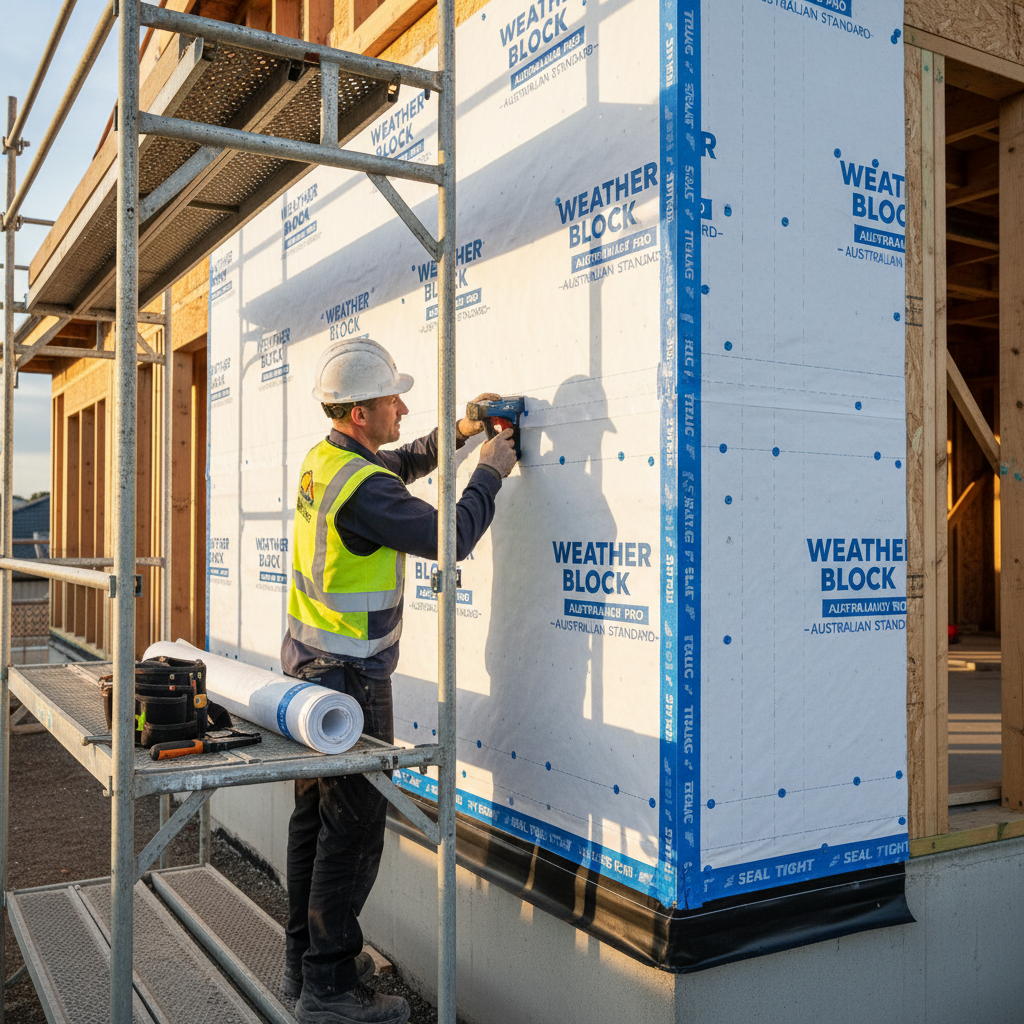
Modern residential construction uses layered membranes to prevent water penetration. The weather-resistant barrier (WRB) is typically a microporous polyethylene or polypropylene product that allows vapor escape while blocking liquid water. Installation matters enormously: overlaps (150 mm vertical, 100 mm horizontal), fastening to structure, and air gaps behind cladding all affect performance. If torn, punctured, or improperly lapped, water penetrates to the frame.
Roof Waterproofing
Roof leaks are most damaging because water runs downward into ceilings, insulation, and framing. Materials differ: pitched metal roofs need proper jointing and sealed ridges; tiles need minimum pitch and sealed edges; flat roofs need specialist membranes. Most failures occur at penetrations (chimneys, vents) and edges where flashing has separated or where water ponds.
Foundation Moisture Barriers
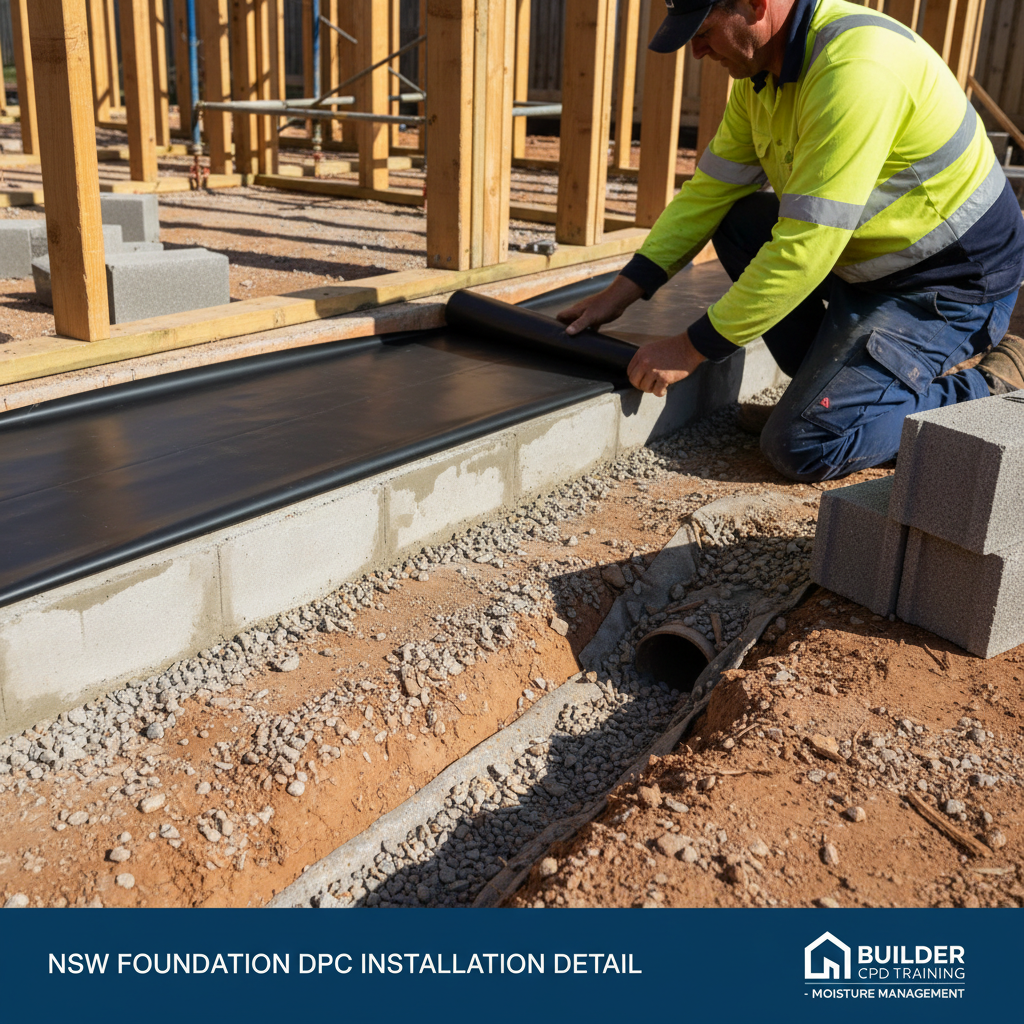
Ground moisture is relentless and capillary. Foundations need damp-proof membranes (DPM) or damp-proof courses (DPC) that block moisture rising from soil. Poor foundation waterproofing leads to damp basements, wall stains, and mold. Critical details: membrane type, continuity (no gaps), and junction with walls and slabs.
Sealants and Caulks
Sealants are used everywhere: windows, doors, transitions, expansion joints. Builders must distinguish between caulk (cosmetic, not watertight) and sealant (structural, watertight). Right sealant type, proper joint width/depth, primer requirements, and cure time before water exposure all affect performance.
Critical Installation Details: Where Defects Start
Waterproofing failures typically occur at junctions and transitions where two materials or systems meet. The Building Code of Australia (BCA) Section H (Health and Amenity) defines minimum requirements, but the real skill is understanding the details that prevent water from finding the path of least resistance.
Windows and Doors
Windows and doors are the most common water entry points. Installation detail matters more than the window itself: the frame must be bedded in sealant, the surrounding membrane must slope water outward (not inward), and the interior sill must slope to drain outside. Builders who get this detail right rarely see water damage around windows.
Wall-to-Roof Transitions
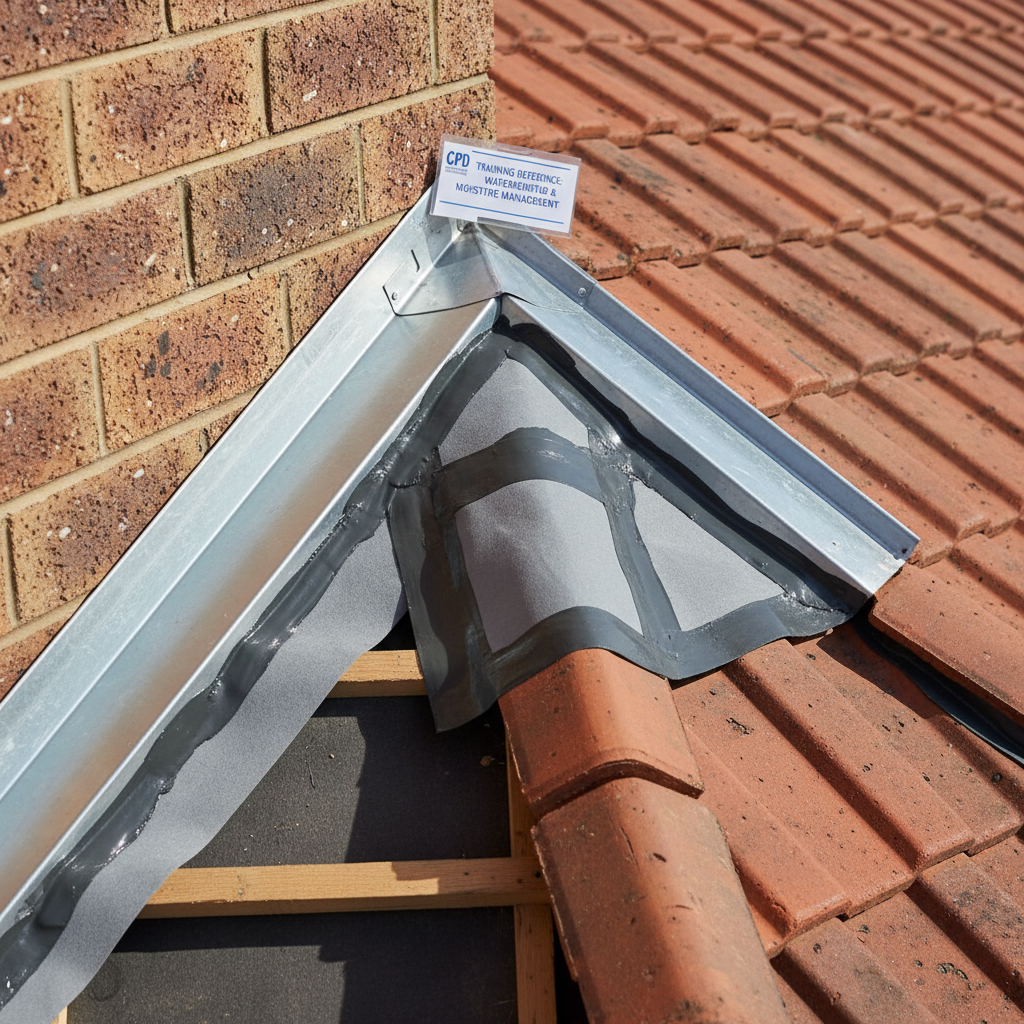
The junction between vertical walls and roofs is where vertical and horizontal water flows meet. This requires: roof membrane extending down the wall or onto the roof structure; flashing materials overlapping wall membrane and extending under roof covering; sealant at the junction; correct pitch and drainage so water doesn’t pond. Failure here causes hidden rot in roof framing for years.
Penetrations (Vents, Chimneys, Antennas)
Every penetration through a roof or wall is a potential leak point. Flashings must overlap the weather-resistant barrier and be sealed at edges. Penetrations in sloped roofs must be positioned so water runs past them, not into them. Builders who detail penetrations correctly rarely face water callbacks.
BCA Waterproofing Requirements Quick Reference
- BCA Section H2.2 (Damp, Moisture): Buildings must be protected from ground and external moisture using appropriate DPM/DPC, drainage, and vapor control.
- BCA Section H3.4 (Building Drainage): Surface water must drain away from buildings and not pond or accumulate.
- AS/NZS 4200.1 (Installation of roof tiles): Minimum pitch, batten spacing, underlay type, edge conditions.
- AS/NZS 3740 (Waterproofing Code of Practice): Industry standard for waterproofing design and installation.
- ASBCA (Australian Standards) Section 8 (Waterproofing): Requirements for materials and application methods.
How to Complete Waterproofing CPD Online
- Enrol in a waterproofing or moisture management course: Browse Builders CPD Online (RTO 91528) and select a waterproofing, cladding, or moisture management course. These are typically 2–4 hours and award 1–2 CPD points.
- Complete at your pace: You have up to 12 months to finish. Most builders complete in a single sitting while on site or at the end of a workday.
- No classroom, no travel: Log in from your phone, laptop, or tablet from anywhere in NSW. Courses are mobile-friendly and work on any device.
- Pass the assessment: Each course includes a knowledge check covering key waterproofing details and BCA requirements. You can retake it as many times as needed.
- Download your certificate instantly: Once you pass, your certificate is ready immediately. It shows the course title, points awarded, completion date, and RTO 91528 registration.
- Track your annual points: Your learner dashboard shows all completed courses and your remaining points toward your 12-point annual requirement.
Ready to complete your waterproofing CPD?
Builders CPD Online (RTO 91528) offers waterproofing and moisture management courses as part of your annual 12-point requirement. No classroom. No fixed schedule. From $50 per course.
Register Now — Start Your CPD Today
Why builders choose Builders CPD Online:
- 12 CPD points for $169 — your full annual requirement covered
- 100% online — no travel, no classroom, no fixed schedule
- 40 courses across all 8 Fair Trading learning areas
- Instant CPD certificate on completion — ready for licence renewal
- Mobile and tablet friendly — complete from anywhere in NSW
- Delivering CPD to NSW builders since 2004 — over 20 years
- RTO 91528 — registered training organisation
Waterproofing CPD: Frequently Asked Questions
Complete Your NSW Builder CPD Online — From $169
Waterproofing and moisture management is essential CPD for any NSW builder. Understand the systems, materials, and details that prevent water ingress and the most common defects.
Call 1300 730 752 or register online.